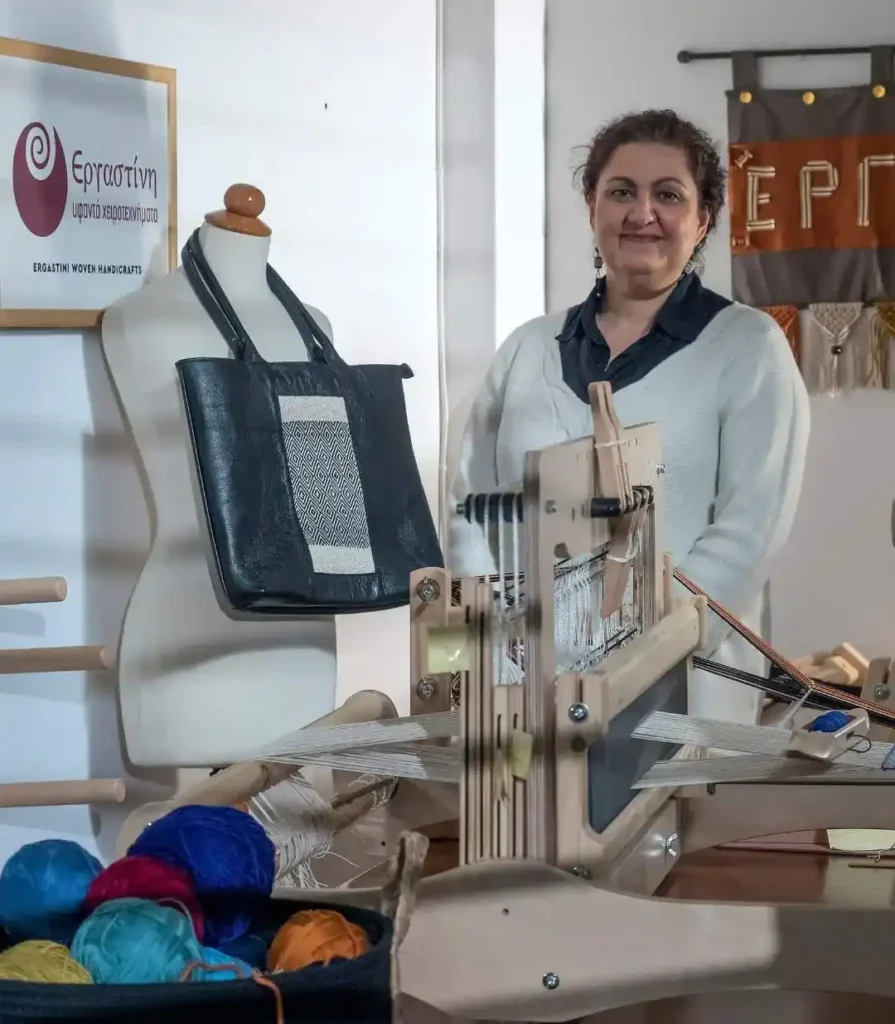
I am Zoe, a graduate in Modern Greek Philology from the University of Crete. For years, I have been involved in the study of Greek folklore tradition and especially the folk art of weaving. I come from a family with a weaving tradition in Ano Viannos, where a rich folk culture and high weaving art developed in the past.
Since my childhood, I received various stimuli regarding the folk arts of knitting, macramé, weaving, embroidery, and silk production (sericulture). In recent years, I have been studying the weaving of other countries, looking for similarities between them and Cretan textiles.
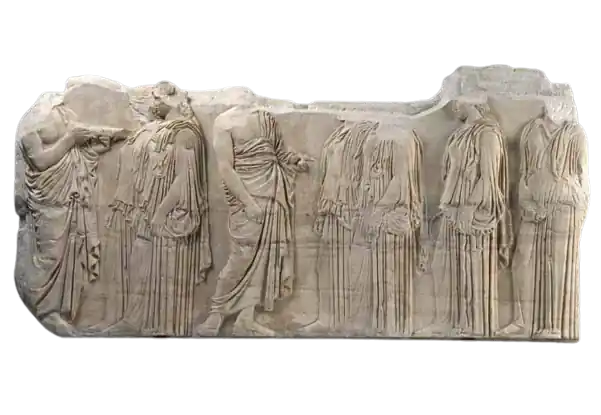
I was inspired to choose the name “Ergastini” by the Parthenon relief “Ergastines,” which depicts the young women who had woven the peplos of the goddess Athena and carried it in the procession of the Panathenaic festival to dedicate it to the statue of the goddess, the protector of the art of weaving.
I attended traditional loom classes with traditional weavers of Crete, and at the same time, I started experimenting with various techniques on modern looms.
Alongside this, I studied the cords that the women of Crete knew how to create by hand (finger loop) with intricate methods and color combinations, and which were used practically on woven items. Later, I discovered the Japanese technique of cord weaving with the Kumihimo disk.
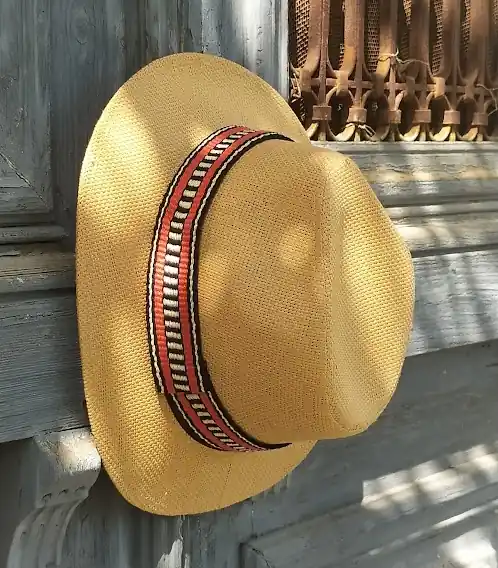
Furthermore, I became familiar with the Inkle loom and started weaving elongated bands, using them in various ways on utilitarian objects, such as clothes, shoes, bags, jewelry, and interior decoration items.
I also engaged in the study of card weaving, an ancient weaving technique found in many areas of Greece and in Crete, primarily in individual elements of traditional men’s clothing.
My goal is to create products that combine traditional techniques with a modern aesthetic perspective and to engage in the systematic dissemination of these techniques.
Sacred Art – Weavers of Crete
In 2020, I participated in the documentary “Sacred Art – Weavers of Crete,” directed by Konstantina Palli and produced by the Municipality of Heraklion, which won first prize for best documentary in international competitions.
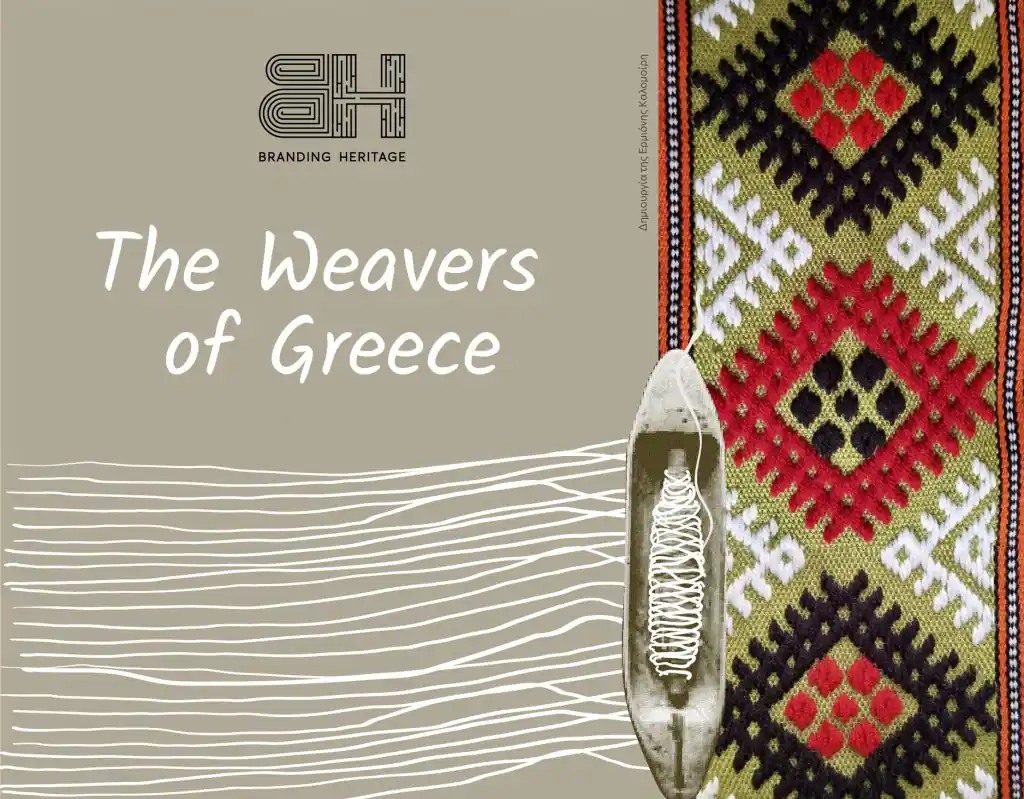
Weavers of Greece
In 2022, I was officially registered in the “Weavers of Greece” by the cultural organization Branding Heritage, as part of a Ministry of Culture program for handicrafts in Greece.
You can view the registration here.
Collaboration with the Nikos Kazantzakis Museum
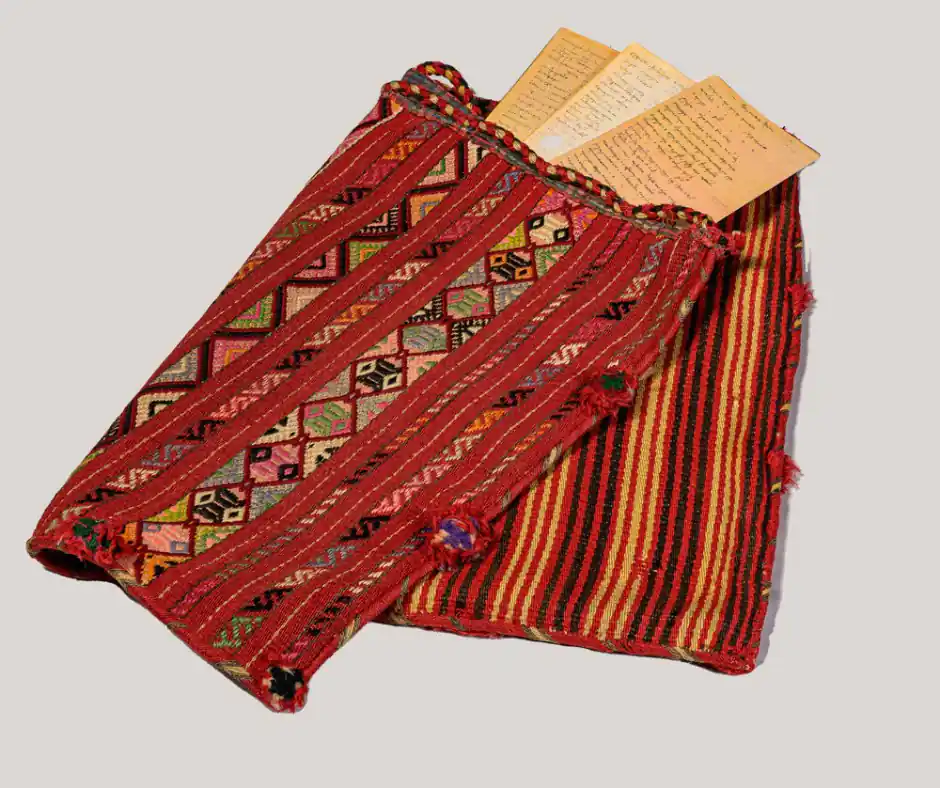
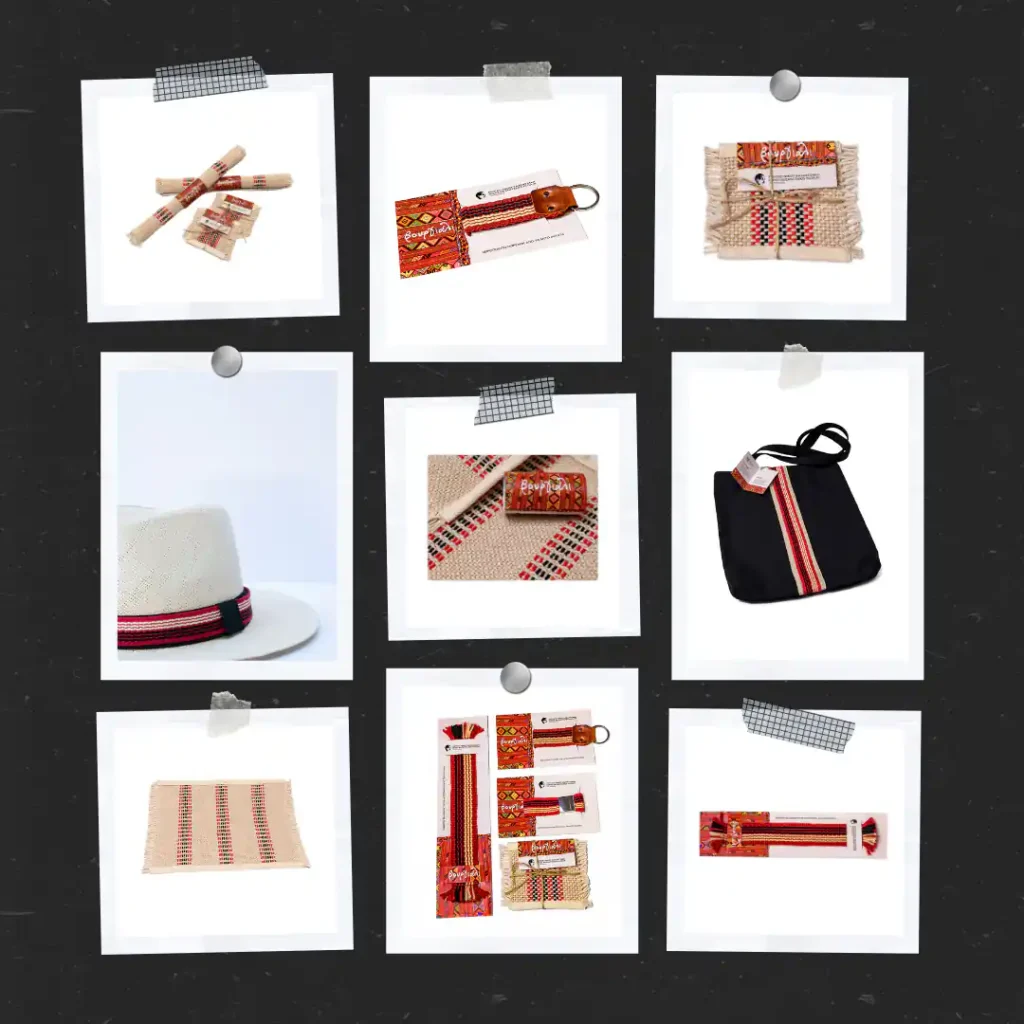
Ergastini’s “Vourgiali” collection is inspired by the vourgiali, the woven bag that Nikos Kazantzakis used for his documents and books, which dates back to the mid-19th century and was created in the Prefecture of Rethymno.
It is available exclusively at the shop and the online store of the Nikos Kazantzakis Museum.